


To Breakfast or Not to Breakfast – that is the question
“Breakfast is the most important meal of the day”. I am sure everyone has heard the saying, either by a concerned parent, or a green-breakfast-smoothie-swinging co-worker.
But is it really the truth? While the debate can be quite elaborate for adults, the importance of breakfast intake for children per se has been intensively researched and is relatively straight forward. As gleaned from a recent presentation by Dietitian Prof van der Berg, here are some eye-opening insights!
Studies comparing children who regularly consume breakfast to those who do not, found that the breakfast eating children have a better quality of overall diet for the rest of the day. In other words, the intake of breakfast had a positive effect on the total overall diet of the child.

The data actually show that these children have a significantly greater daily intake of Fibre, Iron, Calcium, Vitamin D, Vitamin C and a range of B Vitamins than those who do not consume breakfast. Children who regularly consume breakfast also have a lower daily intake of fat, cholesterol, and sodium.
Systemic reviews and meta-analysis’s (read “legitimate sources”) have also concluded that children who habitually consume breakfast are less likely to be overweight. Likewise, it was found that children and adolescents who do NOT consume breakfast are more likely to be less physically active, have a lower cardio-respiratory fitness and are more likely to participate in smoking, alcohol use, disordered eating, and unhealthy weight management practices.
It was also found that children who have breakfast reported less hunger feelings in the late morning, resulting in a lower intake of high fat and sugary snacks. Eating breakfast also had a definite impact on cognitive functioning and academic performance, as demonstrated by increased spatial memory and improved processing of complex visual stimuli.

Do note that the term “breakfast” referred to the “first meal of the day that breaks the fast after the longest period of sleep and is consumed within 2-3 hours of waking and compromises of food or beverage from at least one food group and may be consumed at any location.” This means that even some form of breakfast consumed in the car for instance also counts as breakfast – no excuses!
Now that we are convinced that Breakfast should be a given for children specifically, the next question would naturally be: What constitutes a healthy breakfast? A simple and good start is to aim to include at least 3 food groups. Food groups could include fibre rich grains (e.g. Bran type cereal), low fat dairy (e.g. yogurt or milk), fruits (preferably fresh), protein (e.g. boiled egg), healthy mono- and poly unsaturated fats (e.g. nuts, soft margarine) and definitely no added sugar.
-
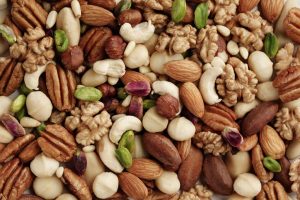
- Healthy Nuts

-

- Fibre Cereal
-

- Fresh Fruits
Do you need personalised ideas or are stuck in your creativity? Are you pressed for time in the morning and need ideas to overcome the practicalities? Are the multitude of cereals, biscuits and spreads marketed for breakfast confusing? Are they even really healthy or is it just marketing?
DO make an appointment with a Registered Dietitian to equip you in navigating through the murky waters of healthy breakfast choices.

Helen Wessels • Dietitian
www.helenwessels.co.za


No Comments